MuMaMa
Concept
We believe learning is most effective when it is collaborative, contribution-based, and happens in inspiring settings.
This is our blueprint.
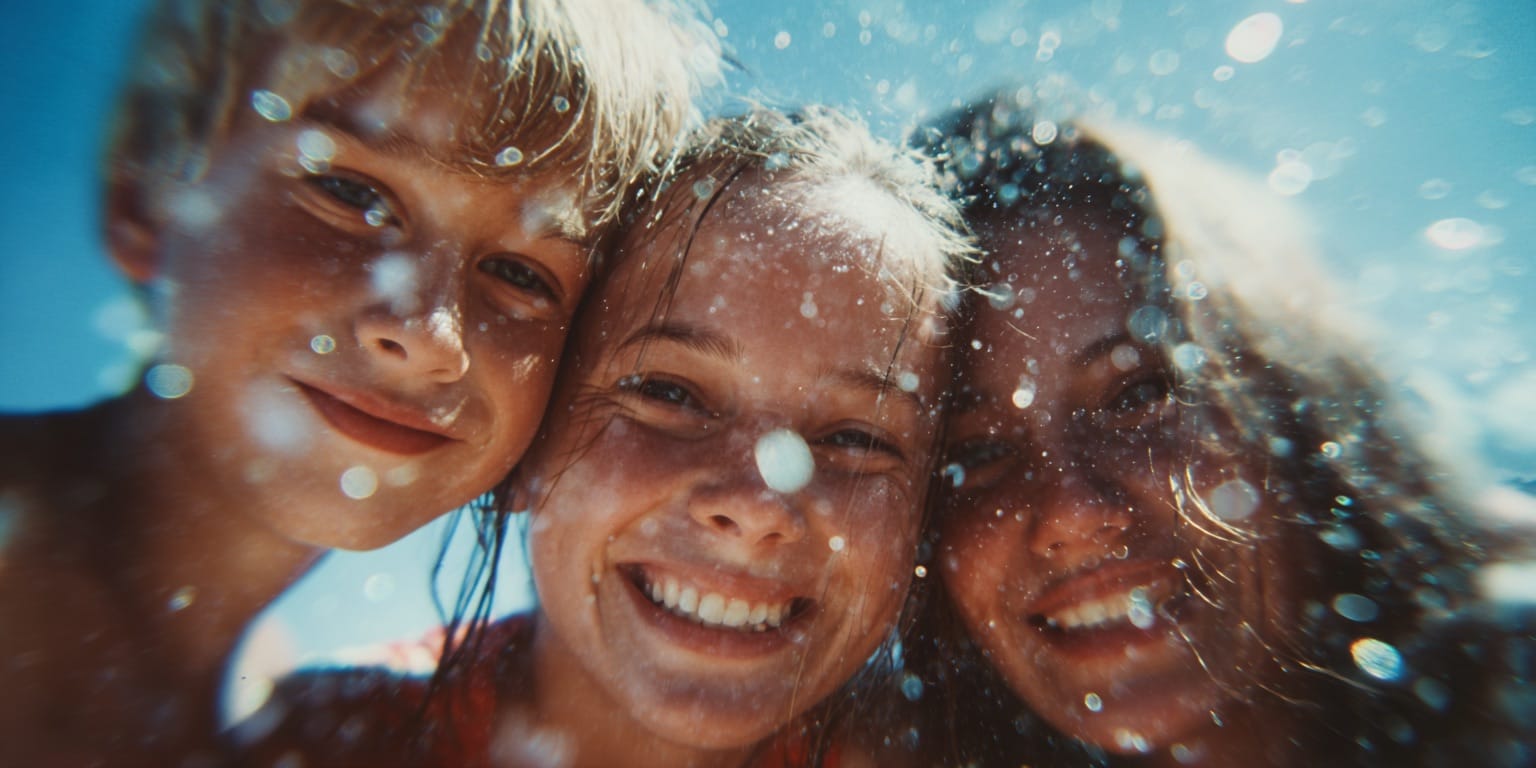
We believe learning is most effective when it is collaborative, contribution-based, and happens in inspiring settings.
This is our blueprint.
The first program was a two-weeks long sea camp in Sardinia with six families. We had no budget, no staff, and a lot of uncertainty. What we did have was a shared commitment to try something different.
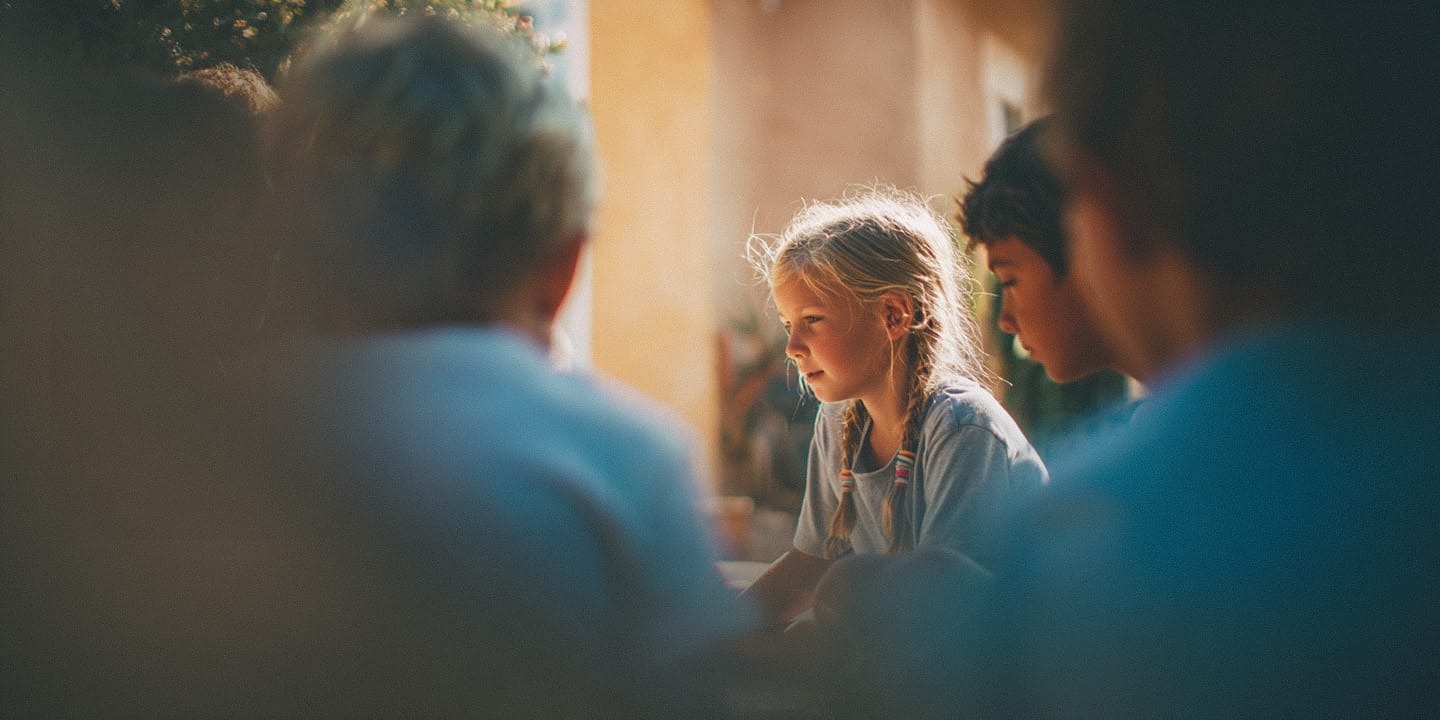
It worked. Kids were engaged because learning felt natural, not forced. Parents appreciated the honesty about costs and logistics. Everyone contributed, and that made the experience feel alive.
Since then, we've run programs in Northern Italy, in German- and Italian-speaking Switzerland. We've learned a lot about what works (clear roles, pre-planned menus, mixed-age groups) and what doesn't (trying to do too much, unclear expectations, weak logistics). We are still iterating.

No passengers. Everyone — parents, kids, educators — has a role. Contribution builds ownership and connection.
We encourage children to experience high freedom and high responsibility situations. We teach them to weigh risks and make decisions, again and again.
We learn by making, exploring, and sometimes failing. Curiosity matters more than perfection.
We share what works and what doesn't. Costs, logistics, and challenges are discussed openly.
We build environments where everyone can participate safely. This means clear boundaries, active listening, and zero tolerance for harm.
The big difference at MuMaMa? Parents aren't spectators — they're part of the program, leading sessions, helping with logistics, and creating the structure that makes everything work.
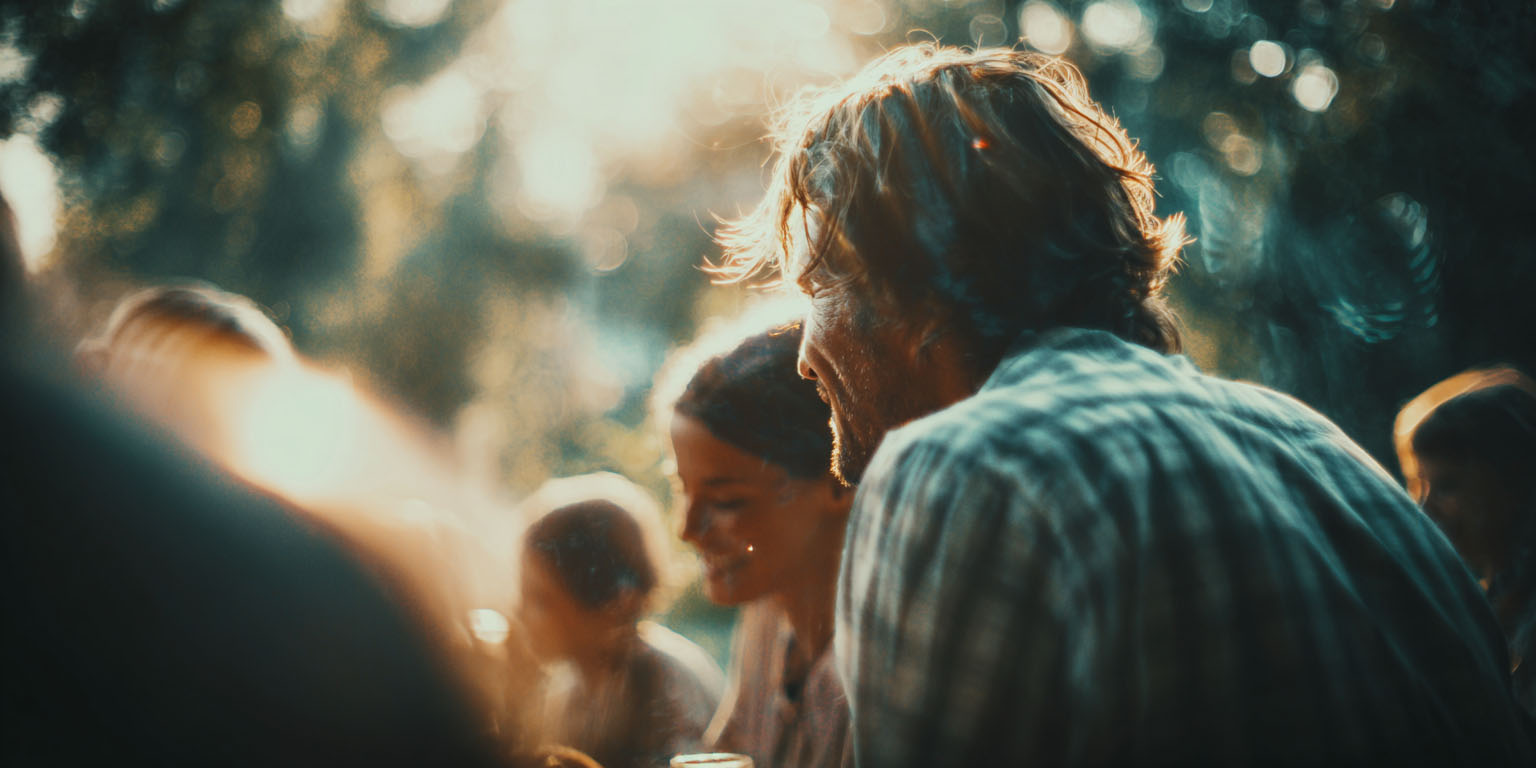
We bring together small groups of families (typically 6-10 families) for multi-day programs. Learning happens through strands — focused areas like math, music, science, nature, or arts. Sessions are short (30-60 minutes), playful, and led by a mix of educators, parents, and experts.
Before each camp, families sign up for small roles.
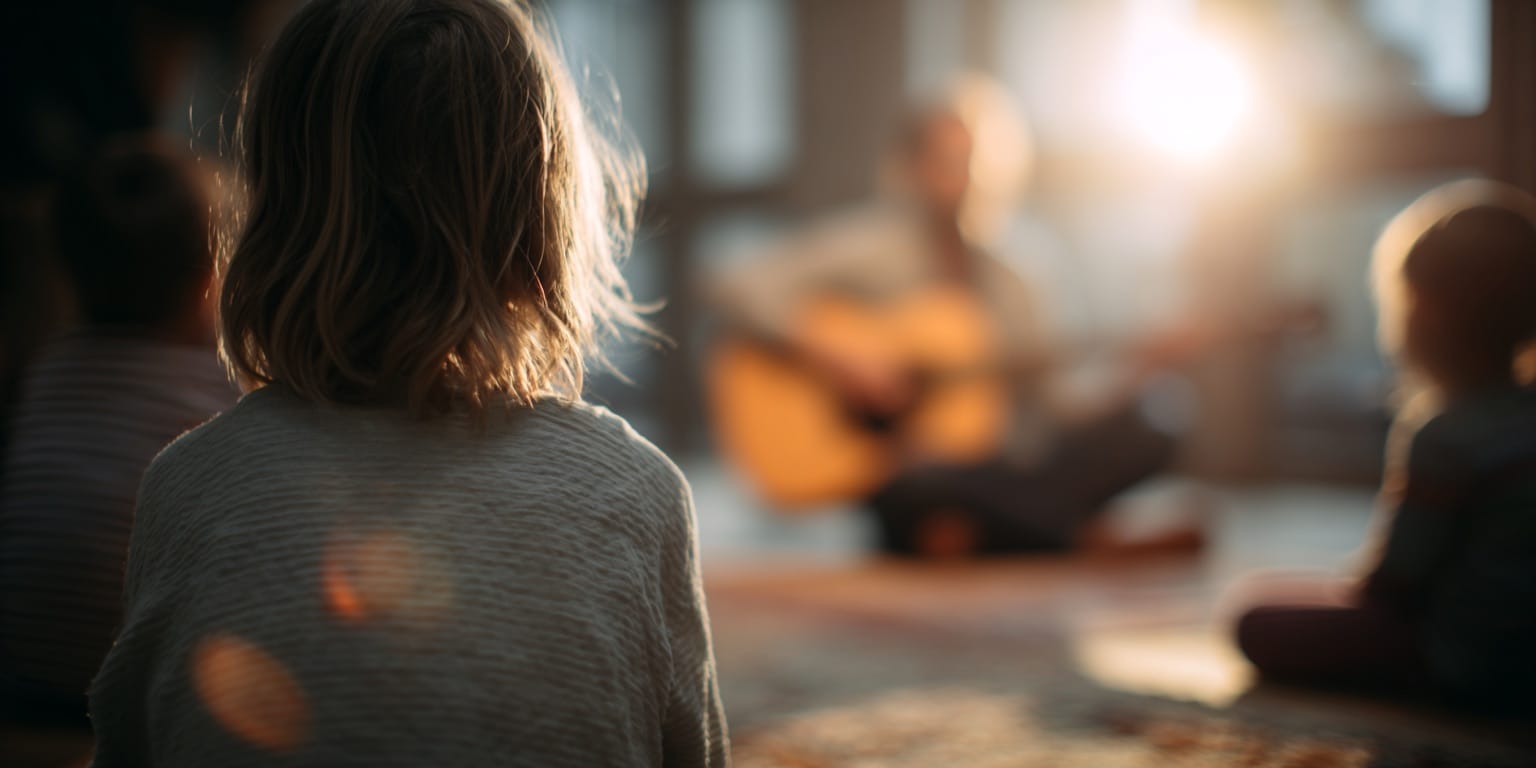
This distributes the work and creates a sense of shared ownership. Roles can be anything from leading a kitchen team for a day, facilitating a workshop, running a supply trip, or keeping a safety watch during beach time.
We take safety seriously. Every adult who interacts with kids undergoes a background check. Program leads are trained in first aid and child protection.

Our code of conduct is simple and strict: